Painting
Painting represents one of humanity’s oldest forms of visual expression, yet its practice demands a sophisticated understanding of chemistry, materials science, and technical precision. Whether you’re applying your first brushstroke or refining advanced techniques, the craft requires knowledge that extends far beyond simple color application. The longevity of your work, the vibrancy of your palette, and the structural integrity of your paintings all depend on foundational decisions made before paint ever touches canvas.
This comprehensive exploration examines the critical dimensions of painting practice, from the molecular behavior of pigments to the physical techniques that bring emotion to life on canvas. You’ll discover why understanding oil absorption rates matters as much as brushwork, how chemical interactions can preserve or destroy your palette, and what separates paintings that endure for centuries from those that deteriorate within decades. These interconnected principles form the bedrock of successful painting practice.
The Chemistry Behind Pigments and Color Stability
Understanding the chemical composition of your palette isn’t merely academic—it directly impacts whether your paintings will look the same in five years or fifty. Pigment stability varies dramatically based on molecular structure, with some colors proving remarkably fugitive while others demonstrate exceptional permanence.
Organic Lakes and Fugitive Colors
Organic lake pigments, created by precipitating dyes onto inert substrates, present particular challenges for painters. These pigments—historically including many brilliant reds, pinks, and purples—often fade when exposed to light because their molecular bonds break down under UV radiation. Think of them like photographs left in sunlight: the same photochemical reactions that bleach paper also degrade certain paint molecules. Modern synthetic alternatives offer improved lightfastness, but historical reconstructions require careful analysis to understand which original pigments have disappeared entirely from aged paintings.
Synthetic Versus Natural Pigments
The transition from natural to synthetic pigments revolutionized painting practice. While natural ultramarine required grinding precious lapis lazuli, its synthetic counterpart offers identical hue at a fraction of the cost. However, this substitution isn’t always straightforward. Key differences include:
- Particle size distribution affects both transparency and texture application
- Binding characteristics vary, influencing oil absorption and drying times
- Chemical reactivity differs, with some synthetic pigments proving more stable in mixtures
- Tinting strength often increases in synthetic versions, requiring formula adjustments
Preventing Chemical Reactions on Canvas
Certain pigment combinations create chemical incompatibilities that lead to darkening, color shifts, or structural degradation. Lead white and cadmium yellow, for example, can react in certain conditions, while copper-based pigments may catalyze oil degradation. Understanding these interactions allows you to structure your palette strategically, separating reactive combinations or using isolation layers to prevent contact between incompatible materials.
Building Foundations: Canvas Preparation and Priming
The ground you paint on determines everything that follows. Inadequate preparation leads to delamination, cracking, and premature aging, while properly prepared supports can preserve paintings for centuries. This foundational work requires understanding how different materials interact and cure over time.
Oil Absorption Rates and Canvas Selection
Different fabric weaves absorb oil at varying rates, creating what conservators call the oil-out phenomenon—when canvas draws oil from paint layers, leaving them underbound and chalky. Linen’s long fibers create a tighter weave with more controlled absorption than cotton, while synthetic fabrics offer consistency but different mechanical properties. Proper sizing acts as a barrier, protecting fibers from oil degradation while controlling how much medium the ground absorbs.
Oil Primer Versus Acrylic Gesso
This choice fundamentally alters your painting surface’s behavior. Traditional oil primers create a luminous, slightly absorbent ground that facilitates smooth blending and produces characteristic depth. They require extended curing times—often weeks or months—but offer superior flexibility as the painting ages. Acrylic gesso, conversely, dries quickly and provides a brilliant white surface, but creates a less absorbent, slightly plastic feel that some painters find less responsive. Neither is universally superior; the choice depends on your technique, timeline, and desired surface qualities.
Preventing Delamination and Timing the Cure
Paint layers adhere through mechanical bonding and chemical cross-linking, but this process requires patience. Applying subsequent layers before previous ones have sufficiently cured can trap solvents, create differential drying stresses, and ultimately cause delamination. The traditional principle of fat over lean—applying progressively more oil-rich layers—helps prevent this by ensuring lower layers cure harder and faster than upper ones, creating a stable laminate structure rather than a sandwich of incompatible materials.
Palette Knife Techniques: Impasto and Texture
Palette knives offer sculptural possibilities unavailable to brushes, allowing painters to build pronounced surface relief and create distinctive mark-making. However, successful knife work requires understanding both tool selection and physical technique to avoid common pitfalls.
Loading the knife effectively means controlling the amount and placement of paint on the blade. Too much paint creates uncontrollable application; too little fails to achieve the desired relief. The technique resembles spreading butter—pressure and angle determine whether paint deposits cleanly or drags, creating distinct edges or gradual transitions. Metal knives offer springy flexibility ideal for larger areas, while plastic alternatives provide stiffer control for detailed work, though they risk surface damage if used with excessive pressure.
Optimizing paint consumption matters particularly with impasto techniques, where thick application can consume extraordinary amounts of expensive pigment. Many painters extend their paint with impasto mediums—formulated gels that maintain body while reducing pigment load. This approach not only reduces cost but can improve structural stability, as excessively thick pure paint may crack as it cures.
Advanced Glazing and Optical Color Mixing
Glazing techniques harness light transmission through transparent paint layers to achieve luminosity impossible through direct mixing. This optical approach—where colors blend in the viewer’s eye rather than on the palette—requires precise control over transparency, medium selection, and layering sequence.
Transparent Versus Opaque Pigments
Not all pigments glaze equally. Transparent pigments like quinacridone or phthalocyanine allow light to penetrate, reflect off lower layers, and return through the glaze, creating depth and brilliance. Opaque pigments like cadmium or titanium white instead scatter light at the surface, making them ideal for direct painting but problematic for glazing. Understanding your palette’s transparency characteristics allows strategic selection—reserving transparent colors for glazes and opaque ones for underpainting or direct application.
Choosing the Right Medium and Controlling Flow
Glazing mediums must reduce paint viscosity enough for smooth, thin application while maintaining sufficient body to prevent runs and providing appropriate drying characteristics. Traditional recipes combine stand oil, dammar varnish, and turpentine in varying ratios, each component serving specific functions. Modern alkyd mediums accelerate drying, useful for maintaining workflow momentum, but alter handling properties. The key lies in matching medium characteristics to your technique and timeline.
Preventing Dust Contamination and Sequencing Workflow
Glazes remain vulnerable during extended drying periods, attracting dust and airborne particles that embed in the sticky surface. Studio cleanliness becomes critical, as does strategic sequencing—applying glazes when you can isolate the work during curing or using faster-drying mediums when environmental control proves difficult. Some painters establish dedicated drying areas with minimal air movement, while others schedule glazing for periods when studio traffic will be minimal.
Underpainting Strategies: Structuring for Depth
The initial painted layers establish value structure, composition, and color temperature—decisions that influence every subsequent stage. Whether you choose grisaille (monochromatic underpainting) or verdaccio (greenish-gray underpainting traditionally used for flesh tones), these foundational layers create optical scaffolding for final colors.
Choosing your ground color strategically affects overall tonality. A warm ochre ground radiates through subsequent layers differently than cool gray, while a middle-value ground allows you to work both lighter and darker efficiently. The process of blocking in large shapes during underpainting establishes composition without committing to final colors, allowing you to resolve drawing and value relationships before addressing the complexity of full-color painting.
Avoiding texture conflict between layers requires foresight. A heavily textured underpainting creates mechanical anchoring for subsequent layers but can show through thin passages inappropriately. Conversely, a perfectly smooth underpainting offers no tooth for upper layers to grip. Optimizing drying time between stages prevents both the adhesion problems of working too wet and the difficulties of working over completely cured, non-absorbent surfaces.
Expressive Brushwork: Technique and Emotion
Brushwork transcends mere paint application to become a language of gesture and emotion. The visible evidence of your hand—how you hold the brush, the consistency of your paint, the sequence of mark-making—communicates energy, mood, and intention beyond the literal subject matter.
Holding the brush for impact varies with desired effect. Choking up for control suits detailed passages, while gripping farther back encourages looser, more gestural marks. Varying paint consistency from thick, buttery passages to thin, fluid washes creates rhythmic variation across the surface. Hog bristle brushes leave distinctive textured marks and handle thick paint effectively, while synthetic sable alternatives offer spring and point retention for smoother blending.
The danger of overworking surfaces haunts many painters. Fresh, decisive brushwork carries conviction that repeated fussing destroys. Learning when to stop requires understanding that finished doesn’t mean uniformly rendered—strategic variation in edge quality, with some passages crisply defined and others softly suggested, creates visual interest and directs viewer attention far more effectively than uniform finish across the entire canvas.
Canvas Restoration and Conservation
Understanding restoration principles benefits active painters as much as conservators. The decisions you make during creation—from materials selection to technique—determine whether future restoration will prove simple or impossible. Equally important, knowing how to maintain and repair your own work prevents minor problems from becoming major failures.
Diagnosing Structural Issues
Slack canvas tension often signals support degradation or improper stretching. Before re-tensioning, diagnose whether slackness results from humidity fluctuations (correctable) or fabric deterioration (requiring more extensive intervention). Visible deformations or uneven tension across the surface suggest stretcher bar problems, while overall slackness may indicate the canvas has reached its re-tensioning limit.
Repair Techniques and Intervention Timing
Small tears often tempt immediate patching, but improper repairs cause more damage than waiting for professional intervention. The choice between relining (adhering new canvas across the entire back) and strip lining (reinforcing only edges and tears) depends on damage extent and painting value. Surface grime removal requires understanding what constitutes original surface versus accumulated dirt—aggressive cleaning can remove glazes and varnish layers you want to preserve.
Timing intervention appropriately balances preservation against risk. Address active deterioration promptly, but stable age-related changes may require no action. When in doubt, environmental control—stable temperature and humidity, appropriate light levels—prevents more damage than aggressive intervention.
Mastering painting means embracing its multifaceted nature—part craft, part chemistry, part conservation science. Each dimension informs the others: understanding pigment chemistry improves your color mixing, knowledge of proper grounds prevents future restoration needs, and refined technique maximizes your materials’ expressive potential. The painters whose work endures haven’t simply mastered brushwork; they’ve integrated technical knowledge with creative vision, building a practice grounded in understanding rather than guesswork.
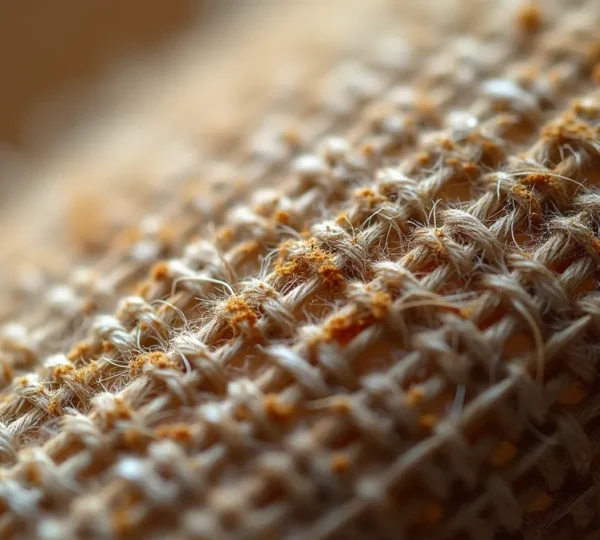
How to Identify Canvas Rot Before It Destroys the Paint Layer?
The first sign of canvas rot is not visual; it’s the invisible loss of structural integrity and tensile strength. An antique canvas is an active, hygroscopic material constantly reacting to environmental shifts, causing stress that leads to paint failure. Common…
Read more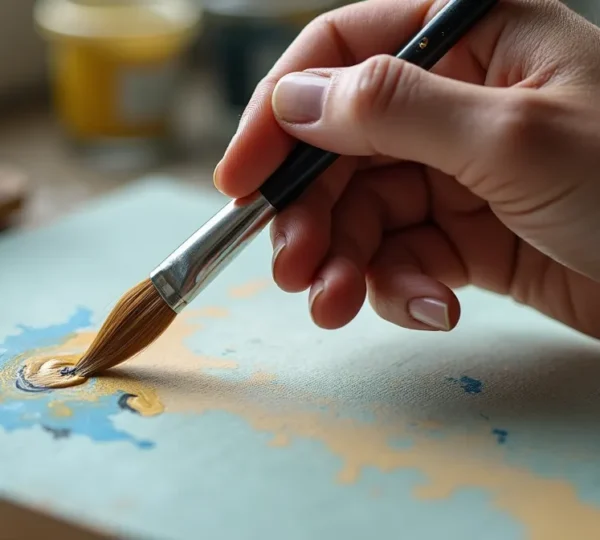
Unleash Your Brushwork: How to Paint with Energy Without Sacrificing Accuracy
Expressive painting isn’t about abandoning control; it’s about courageously shifting control from hesitant details to bold, physical decisions about energy and rhythm. Your brush grip, paint viscosity, and shoulder movement are the true engines of expressive power, not a lack…
Read more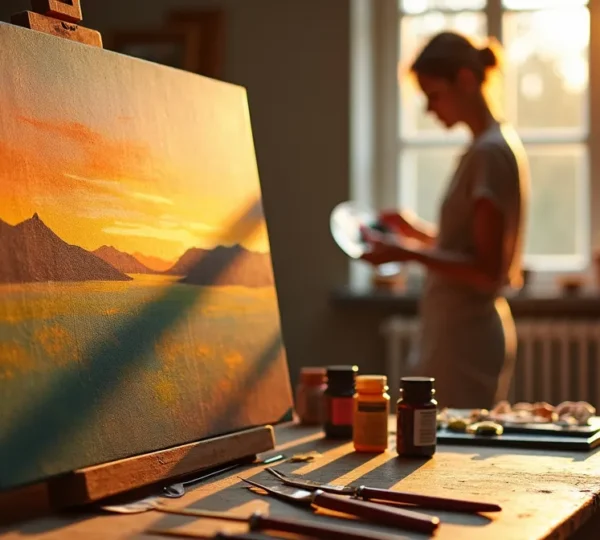
Why Your Underpainting Color Determines the Final Mood of the Piece?
Contrary to popular belief, the underpainting is not a preliminary sketch; it is the most critical structural and emotional decision in the entire painting process. The initial monochromatic layer establishes a permanent value architecture that dictates all subsequent color relationships….
Read more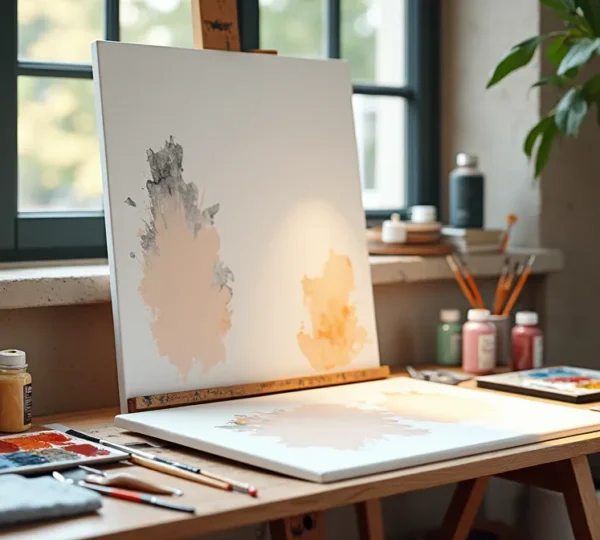
How to Apply Multiple Glazes Without Dissolving the Layers Beneath?
The key to luminous, multi-layered glazes isn’t a secret recipe, but a deep understanding of paint chemistry; success lies in controlling the polymerization of your oil, not just following the ‘fat over lean’ rule. Using straight linseed oil is a…
Read more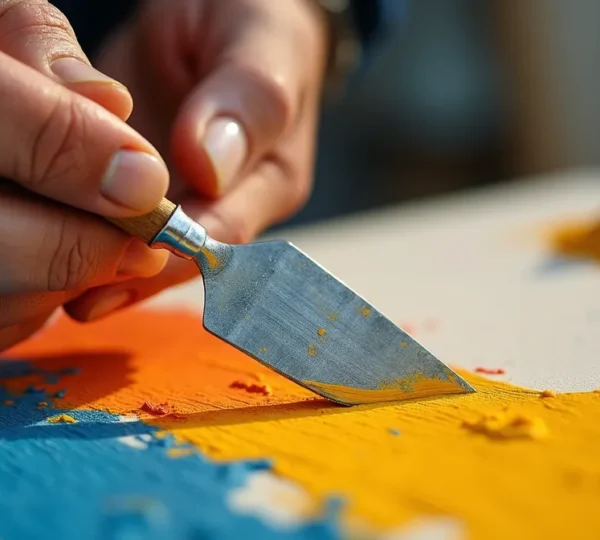
How to Keep Your Colors Clean When Painting with a Knife on Canvas
In summary: Stop treating your knife like a brush; it’s a tool for depositing and sculpting paint, not for blending on the canvas. Clean colors come from loading your knife correctly and applying paint with a single, confident stroke that…
Read more
How to Select the Ideal Oil Primer for Museum-Quality Linen Canvases
Contrary to common studio wisdom, the archival quality of a large-scale painting isn’t just about the primer recipe; it’s determined by the precise control of the chemical and physical interactions between every layer. An overly absorbent ground is the primary…
Read more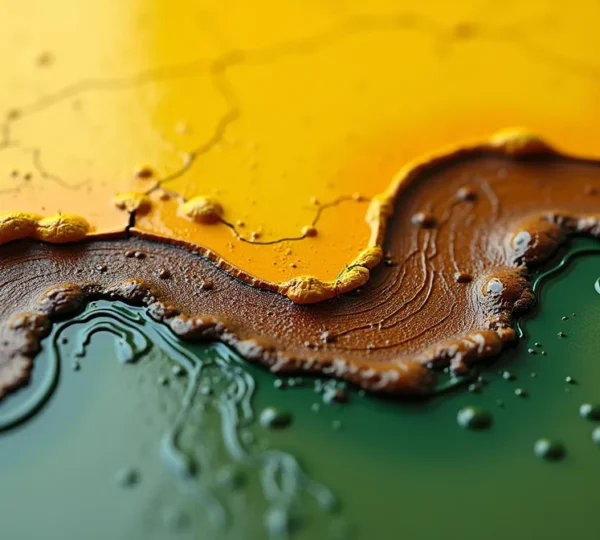
Why Van Gogh’s Yellows Are Turning Brown and How to Slow It Down?
The vibrant, sun-drenched yellows of Vincent van Gogh’s “Sunflowers” are iconic. Yet, over a century later, those brilliant hues are slowly, inexorably, turning a murky brown. The common culprit cited is light exposure, a simple story of fading. But this…
Read more