Evolution of fine art and visual culture
From classical masterpieces to contemporary digital expressions
Conservation excellence in museum artistic preservation
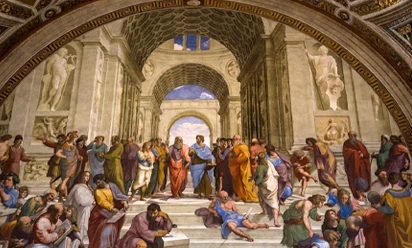
Museums display cultural legacy through rigorous preventive conservation. Rare artifacts require humidity controls preventing material degradation. Restorers clean varnishes revealing masterpiece pigments. Institutional archives verify artwork provenance ensuring historical authenticity. Curators curate thematic exhibitions bridging eras. Art historians analyze stylistic shifts reflecting societal changes. Public galleries showcase human creativity for future generations.

Mastery of oil painting pigments and canvas
Fine art demands patience due to drying oils. Artists manipulate texture using palette knives for impasto. Glazing layers add depth applying transparent colors over opaque underpainting. Light interacts to produce luminosity. Compositional balance guides the viewer naturally. Expressive brushstrokes convey emotion through pressure. Historical canvases reveal underdrawings via infrared analysis.
Fine sculpture and decorative arts materiality
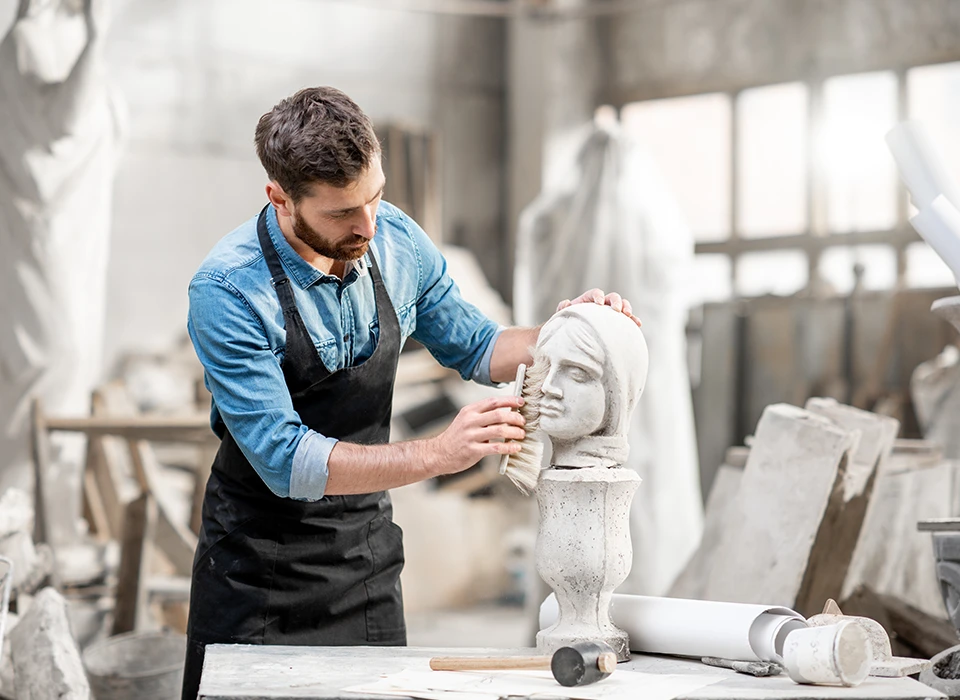
Foundry casting turns molten bronze into statues through lost-wax workflows. Marble carving liberates motion revealing anatomy beneath rough blocks. Antique patinas mature offering nuanced tones via oxidation. Decorative arts balance utility with artistry enriching interiors. Studio ceramics require strict kiln firing and glazes to achieve durable finishes suitable for display and cultural resonance.

Exploring photography and digital arts
Photography and new media merge technical precision with artistic vision shaping narratives. Full-frame sensors capture light with clarity while shutter speeds freeze fluid motion. Digital art expands possibilities enabling color grading and compositing. Projection mapping and virtual reality push imagery beyond limits turning concepts into immersive experiences. Whether crafted through lenses or screens creations highlight innovation.
Precision in graphic design and drawing

Technical drafting and linear perspective
Drafting technicians utilize vanishing points creating depth illusions. Graphite pencils determine shading value ranges. Accurate proportions define realism in preparatory drawings. Technical sketching requires exact measurements and stable hands.

Fine printmaking and lithography editions
Etching retains ink in grooves for high-pressure transfer. Reproducibility allows visual arts to reach audiences. Chemical processes bite into metal plates creating texture. Limited edition prints maintain value through controlled circulation.

Digital illustration and vector standards
Scalable vector graphics maintain edge crispness at any resolution. Stylus inputs mimic ink flow on tablets. Software layers allow non-destructive editing of complex images. Clean lines define modern graphic design.
Spotlight on emerging artists and visionaries
Abstract expressionism and modern painters
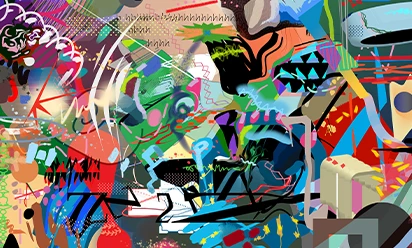
Non-objective art focuses on emotional resonance over realism. Gestural abstraction prioritizes the act of painting itself. Chaos finds order through color fields. Large-scale canvases envelop the viewer completely.
Revival of contemporary realism
Fine art ateliers teach traditional anatomy methods. Life observation remains the primary source of inspiration. Technical skill supersedes conceptual irony. Portraiture captures psychological depth through figurative detail.
Installation art and mixed media
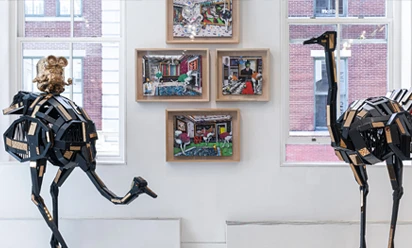
Sculptors combine found objects challenging value perception. Immersive exhibitions invite physical engagement from the audience. Material textures clash provoking sensory reactions. Context transforms ordinary items into conceptual art.
World art heritage and global traditions
Tribal artifacts embody spiritual beliefs of originating communities. Textile weaving patterns transmit ancestral stories without written language. Native materials connect artwork to landscapes. Ceremonial masks serve ritualistic functions within society. Globalization facilitates cross-cultural exchange of styles. Museums prioritize ethical repatriation of displaced heritage objects. Understanding context interprets non-Western art.
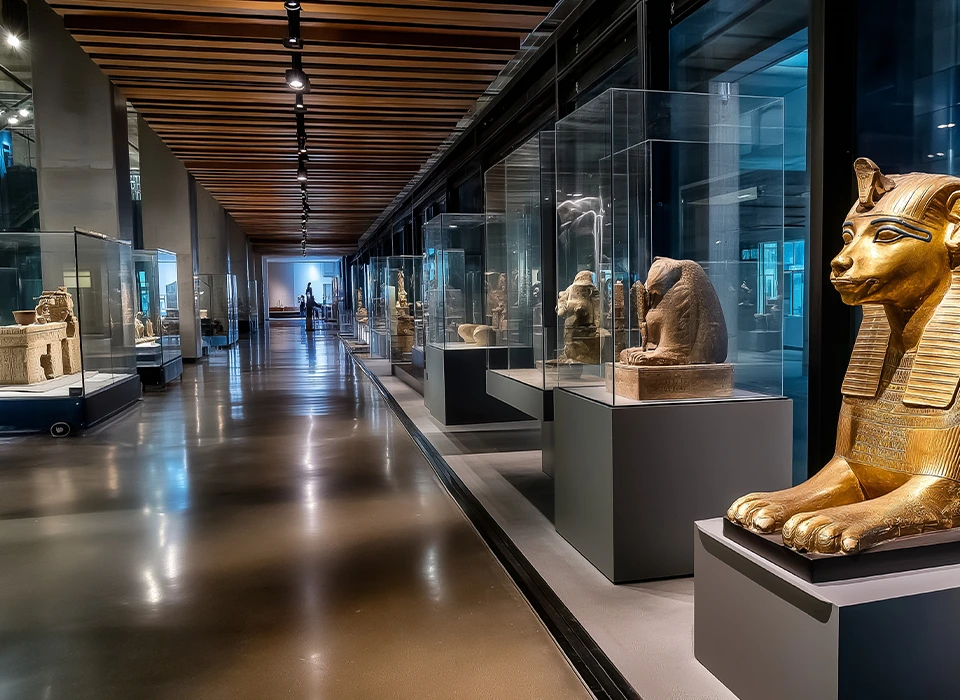

Museum conservation and storage standards
HVAC systems protect fragile organic materials from decay. UV filtering prevents fading. Gallery security ensures safety. Collection archives remain accessible for research.
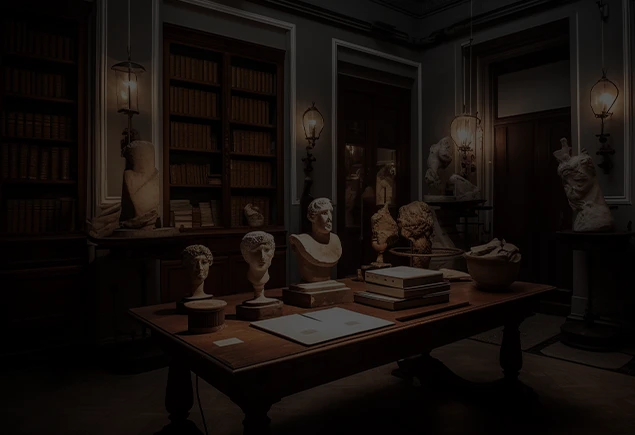
Historical provenance and appraisal
Collection records track ownership history accurately. Art authentication relies on scientific analysis. Cataloging organizes vast collections systematically. Experts verify attribution dates.

Art education and outreach programs
Docent tours interpret complex art history. Studio workshops demonstrate traditional crafting techniques. Audio guides provide context for visitors. Academic publications disseminate findings.