Blog
The art world extends far beyond gallery walls and auction houses. Behind every masterpiece lies an intricate ecosystem of expertise: conservators fighting against time’s relentless effects, researchers wielding scientific instruments to separate genuine works from clever forgeries, and professionals navigating careers that blend traditional scholarship with modern technology. Whether you’re a collector safeguarding a family heirloom, a student considering art history as a profession, or simply curious about what happens behind museum doors, understanding these interconnected disciplines reveals how we protect, authenticate, and value cultural heritage.
This comprehensive resource explores the technical, scientific, and professional dimensions of art care and analysis. From the chemistry of deterioration to the business of appraisal, from infrared imaging secrets to career pathways in the digital age, we’ll examine the knowledge that transforms passion into practice and ensures artworks survive for future generations.
Preserving Artworks: Environmental Control and Conservation Fundamentals
Think of artwork preservation as healthcare for inanimate objects. Just as humans require stable conditions to thrive, paintings, sculptures, and works on paper demand carefully controlled environments to prevent irreversible damage.
Institutional Standards Versus Home Reality
Museums maintain environmental parameters with scientific precision: temperature typically held between 65-72°F (18-22°C) with relative humidity at 45-55%. These aren’t arbitrary numbers—they represent the sweet spot where most organic materials remain stable. Fluctuations cause expansion and contraction cycles that crack paint layers, warp wooden panels, and stress canvas fibers.
Home collectors face a different challenge. Few residences offer museum-grade climate control, but professional conservation principles can still be adapted. Creating micro-climates within display cases, choosing interior walls away from exterior temperature swings, and using conservation-grade framing materials provide meaningful protection without institutional budgets.
Silent Threats Beyond Humidity
While moisture damage captures headlines—dramatic mold blooms make compelling disaster stories—subtler threats often inflict worse harm. Light exposure operates like a slow-motion fire, breaking molecular bonds through photochemical reactions. Ultraviolet radiation proves particularly destructive, fading pigments and degrading organic binders. Even visible light accumulates damage over time, making exposure management critical.
Pollutants represent another invisible enemy. Sulfur dioxide from combustion, off-gassing from unsuitable framing materials, and even naturally occurring ozone attack artwork surfaces. A seemingly innocent wooden backing board can release acids that migrate into paper, causing yellowing and embrittlement decades later.
Practical Conservation for Private Collections
Effective home conservation follows several key principles:
- Safe framing: Use acid-free mats, UV-filtering glazing, and tested materials that won’t chemically interact with artworks
- Handling protocols: Clean hands or cotton gloves, supporting works from underneath, never touching painted surfaces
- Storage rotation: Limiting display time for light-sensitive works, maintaining dark storage for reserve pieces
- Pest monitoring: Regular inspections for insects, maintaining cleanliness, and addressing infestations immediately
Emergency preparedness matters as much as daily care. Knowing how to safely evacuate artworks during floods, fires, or other disasters can mean the difference between preservation and total loss.
Authenticating Art: Science Meets Connoisseurship
Authentication combines the objectivity of laboratory analysis with the subjective expertise of trained eyes. Neither approach alone provides certainty—forensic evidence must dialogue with art historical knowledge to reach defensible conclusions.
Material Science Investigations
Scientific dating techniques examine the physical components of artworks. Radiocarbon dating can establish when organic materials (canvas, wood panels, natural binding media) ceased living, while analyzing pigment chemistry reveals whether materials existed during an artwork’s purported creation period. A painting supposedly from 1650 containing titanium white—invented in the early twentieth century—exposes itself as fraudulent through anachronistic materials.
Thread count analysis of canvas weave, examination of stretcher bar construction methods, and dendrochronology (tree-ring dating of wooden supports) all contribute data points. However, a forger using genuinely old materials can circumvent these tests, demonstrating why material analysis never stands alone.
Visual Examination and Pattern Recognition
Experienced connoisseurs read artworks like texts written in visual language. Craquelure patterns—the network of fine cracks in aged paint—develop characteristics that reflect genuine aging versus artificial distressing. Natural craquelure shows organic randomness and responds to the underlying paint structure, while manufactured cracking often appears too uniform or lacks proper depth.
Brushwork analysis examines the physical evidence of artistic process. Every artist develops habitual movements—the pressure variations, directional preferences, and layering sequences that function as a kind of manual signature. These prove extraordinarily difficult to replicate convincingly across an entire composition.
Sequencing the Authentication Process
Professional authentication follows a methodical progression:
- Provenance research: Documenting ownership history and exhibition records
- Stylistic analysis: Comparing formal qualities against accepted works
- Technical examination: Non-invasive imaging and surface analysis
- Material testing: Scientific analysis when visual examination proves inconclusive
- Expert consensus: Consulting specialists and catalogue raisonné committees
This structured approach prevents premature conclusions while building a comprehensive evidentiary foundation.
Revealing Hidden Layers: Infrared and Technical Imaging
Imagine possessing X-ray vision for paintings. Technical imaging technologies offer exactly this superpower, revealing preparatory sketches, compositional changes, and underlying damage invisible to unaided eyes.
Understanding Infrared Penetration
Infrared reflectography exploits how different wavelengths interact with paint layers. Many pigments transparent to infrared radiation allow cameras to “see through” surface colors and capture carbon-based underdrawings beneath. Renaissance masters often sketched compositions in carbon black before applying color—infrared imaging recovers these preliminary studies, offering insights into artistic process and helping distinguish original works from later copies that lack underdrawing.
The technology isn’t magical—it has limitations. Infrared struggles with certain pigments (carbon black in upper layers blocks penetration) and cannot reveal every hidden feature. Understanding these constraints prevents misinterpretation.
DIY Imaging Setup and Professional Alternatives
Modified digital cameras with infrared filters provide accessible entry points for basic imaging. Removing the camera’s internal IR-blocking filter and adding external filtration allows capture of near-infrared reflectance. However, capture workflow optimization—proper lighting, camera settings, and post-processing—demands technical knowledge.
Professional-grade systems using specialized sensors and controlled illumination provide superior results but require significant investment. For serious research, X-radiography offers complementary information, revealing changes in dense materials like lead-white paint or exposed repairs in canvas structure, though the techniques answer different questions than infrared examination.
Interpreting Shadow Data
Technical images require careful interpretation. What appears to be an artist’s revision might represent restoration work. Confusing natural age cracks with intentional marks, or misreading partial penetration as complete transparency, leads to flawed conclusions. Experienced analysts cross-reference multiple imaging techniques and verify findings against direct examination.
Managing Collections: Storage and Inventory Optimization
Institutional collections grow relentlessly—acquisitions, donations, and bequests accumulate faster than exhibition space expands. Storage optimization becomes a strategic imperative balancing accessibility, preservation, and physical constraints.
Space efficiency starts with standardized housing. Custom boxes for every object waste space and complicate stacking, while standardized dimensions allow predictable shelving configurations. The debate between vertical versus horizontal storage depends on object type: works on paper often store horizontally in flat files minimizing stress, while framed paintings may hang on vertical screens maximizing density.
Mobile compact shelving systems dramatically increase capacity by eliminating fixed aisles, but installation requires structural analysis—concentrated loads can exceed floor capacity in older buildings. Preventing structural failure isn’t optional; it’s a fundamental responsibility when housing irreplaceable cultural property.
Intelligent inventory organization reduces retrieval time. Logical pathways through storage, clear location coding, and updated digital records transform chaotic repositories into functional research resources. The most sophisticated storage system fails if staff cannot locate objects efficiently.
Art Valuation: Methods and Considerations
Determining artwork value combines detective work, market analysis, and statistical reasoning—often with incomplete information and subjective variables.
Research Foundations and Comparable Analysis
Valuation begins with research: documenting the artist’s career, exhibition history, and previous sales. Comparable values from auction results and private sales establish market context. A watercolor by an artist whose oils consistently sell for $50,000-$75,000 likely commands less, but how much less? Scale, subject matter, condition, and provenance all influence the relationship between different media.
Limited data complicates the process. Emerging artists lack extensive sales records, while historically significant but commercially obscure figures may have sparse comparable transactions. Valuers must extrapolate from tangential evidence while acknowledging uncertainty.
Replacement Cost Versus Fair Market Value
Insurance valuations often request replacement cost—what recreating or substituting the artwork would require—while estate settlements need fair market value representing realistic sale expectations. These figures can diverge significantly. A family heirloom portrait holds enormous replacement cost (unique and irreplaceable) but minimal market value (limited buyer interest).
Avoiding sentimental bias challenges private owners. Personal attachment inflates perceived value, creating unrealistic expectations. Professional appraisers provide objective assessments grounded in market realities rather than emotional investment.
Strategic Liquidation Sequencing
Selling collections requires strategic timing and venue selection. Auction houses suit high-value works with established markets, while private dealers may achieve better results for challenging material. Understanding buyer psychology, seasonal patterns, and market conditions optimizes outcomes. Liquidating an entire collection simultaneously often depresses prices—sequenced sales prevent market saturation.
Art History as a Career: Modern Pathways and Challenges
The romanticized image of art historians as tweed-clad academics wandering museum corridors increasingly diverges from contemporary reality. Digital transformation and economic pressures reshape how expertise develops and monetizes.
Research Without Institutional Access
Academic positions provide obvious benefits—library resources, research funding, institutional credibility—but independent scholars increasingly build careers outside traditional structures. Digital archives, open-access journals, and online museum collections democratize primary source access. Independent researchers leverage these resources, though lacking institutional affiliation complicates archive visits and conference participation.
The key becomes demonstrating expertise through publication, digital presence, and collaborative networks. Quality work finds audiences regardless of institutional letterhead, though navigating credibility barriers requires persistent effort.
Monetizing Historical Expertise
Digital platforms create income opportunities: educational content, consulting, virtual tours, and podcast production allow specialists to reach paying audiences directly. Writing for general publications, providing authentication services, or advising collectors transforms knowledge into sustainable income. However, maintaining academic rigor while producing accessible content requires careful balance—popularization shouldn’t mean oversimplification or inaccuracy.
Navigating Bias and Narrative Construction
Critical self-awareness defines responsible scholarship. Every historian brings cultural assumptions, aesthetic preferences, and theoretical frameworks that color interpretation. Acknowledging these biases, seeking diverse perspectives, and revising conclusions based on new evidence distinguishes rigorous analysis from agenda-driven storytelling.
When pitching historical narratives to media outlets or publishers, framing matters enormously. Complex nuance must compress into compelling hooks without sacrificing accuracy—a skill requiring practice and editorial collaboration.
Measuring Impact: Art Education and Social Value
Quantifying art’s social impact challenges conventional metrics. Unlike manufacturing widgets, measuring how creative education transforms participants resists simple numerical assessment.
Qualitative metrics capture what standardized testing misses: confidence development, creative problem-solving, cultural awareness, and sustained engagement with learning. Longitudinal studies tracking participants over years reveal patterns invisible in short-term evaluations. A student who seems unaffected during a program might credit that experience years later as pivotal to their development.
Effective programs emphasize process over product—valuing experimentation and risk-taking rather than technically perfect outcomes. This philosophical shift requires resisting institutional pressure for impressive displays and instead documenting growth, iteration, and authentic engagement.
Budget optimization in arts education means maximizing participant impact per dollar spent, not simply minimizing costs. Quality instruction, adequate materials, and appropriate group sizes cost more but deliver meaningful experiences. The “savior complex”—assuming any arts exposure automatically benefits participants—leads to poorly designed programs that waste resources and patronize communities. Genuine impact requires listening to participant needs, cultural humility, and rigorous program evaluation.
The interconnected practices explored here—from controlling museum microclimates to interpreting infrared images, from authenticating masterworks to building independent careers—demonstrate that engaging seriously with art demands diverse expertise. Whether your interests lie in preservation, analysis, or professional development, each discipline offers depth worth exploring. The articles linked throughout this overview provide detailed guidance for deepening your understanding of specific topics that resonate with your particular needs and curiosities.
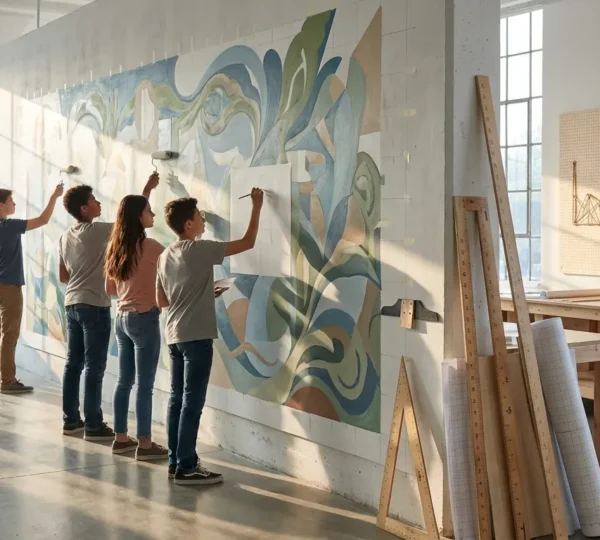
Measuring the Long-Term Impact of Art Outreach: A Data-Driven Guide for Non-Profits
Proving your art program’s long-term success requires moving beyond participation numbers to a structured system that quantifies intangible growth. Replace vague metrics like “smiles” with validated tools and proxy indicators to track genuine confidence and social capital. Shift from a…
Read more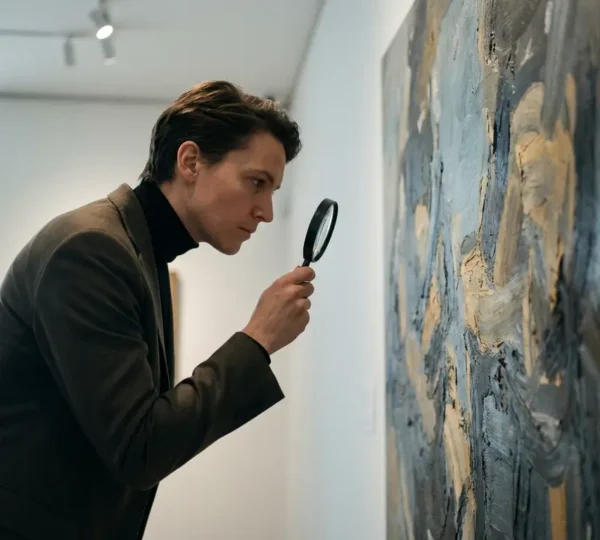
How to Appraise a Painting When the Artist Has No Auction Record?
Valuing art with no sales data is a forensic process, not a guessing game; value is constructed from evidence, not found on a database. Compare the work to documented peers of similar quality and period, not to famous masters, to…
Read more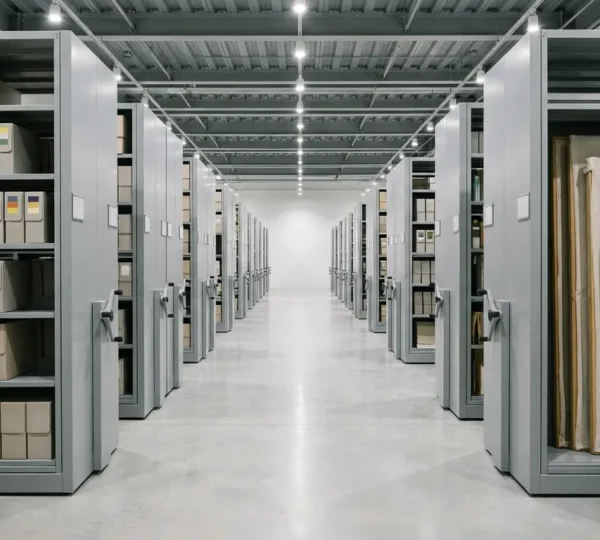
How to Reorganize a Museum Storage Facility to Gain 30% More Space?
The key to unlocking 30% more storage space isn’t a bigger budget, but achieving maximum volumetric efficiency with the assets you already have. Analyze object dimensions to replace air with artifacts through custom-fit housing. Prioritize data-driven decisions over generic solutions…
Read more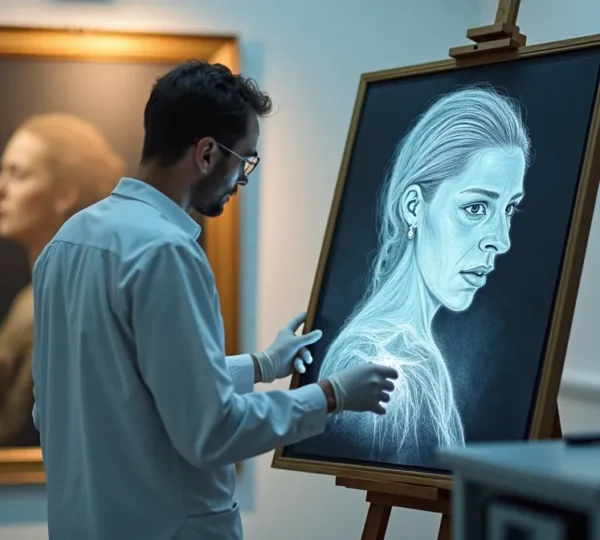
How to Interpret Infrared Reflectograms to See Artist Changes (Pentimenti)?
Successfully interpreting infrared reflectograms is not about magically revealing secrets, but about systematically understanding how materials interact with light to separate an artist’s original plan from later additions and physical artifacts. Infrared light penetrates many paint layers but is absorbed…
Read more
Beyond the Ivory Tower: How to Build a Thriving Career as an Independent Art Historian
The key to a successful post-academic career is to stop thinking like a scholar and start acting as an intellectual entrepreneur. Your deep research skills are a unique asset that can be monetized through scalable digital platforms and content. Building…
Read more
How to Spot a High-Quality Forgery of a 19th-Century Landscape
Spotting a sophisticated art forgery is not about a “gut feeling”; it’s a forensic investigation into the painting’s physical materials. Artificial aging cracks consistently lack the microscopic depth and complex patterns of natural craquelure. The construction of the wooden stretcher…
Read more
How to Display Art in a Sunny Living Room Without Fading the Pigments?
The key to protecting art in a bright room isn’t just blocking UV light, but actively managing the four hidden environmental risks that cause irreversible damage. Light damage is cumulative and caused by both UV and visible light, making basic…
Read more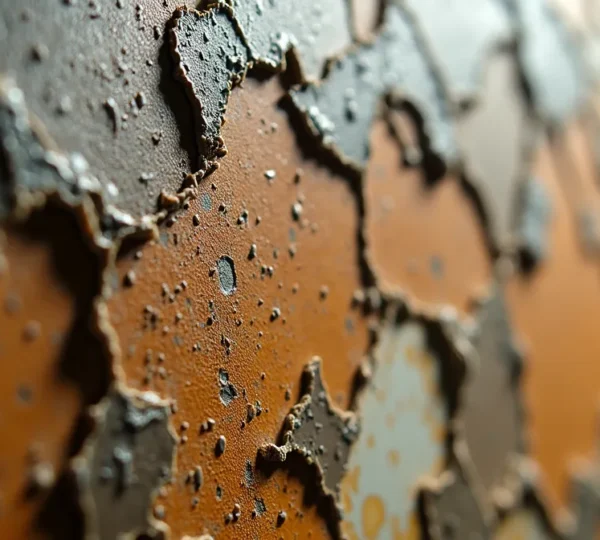
Why Even a 5% Humidity Fluctuation Can Ruin an Oil Painting in 48 Hours?
The greatest threat to your collection isn’t a single catastrophic event, but the slow, invisible damage from minor environmental shifts that standard building systems are not designed to prevent. Standard HVAC systems create cyclical fluctuations that induce “material fatigue” in…
Read more