Artists in the spotlight
The contemporary art world operates through a complex ecosystem where artistic creation, critical reception, market dynamics, and institutional recognition intersect. Understanding how artists move from obscurity to prominence requires examining not just the work itself, but the psychological processes behind creation, the technical mastery that distinguishes exceptional practice, and the curatorial and collecting frameworks that determine visibility. Whether you’re an emerging artist seeking to understand your creative trajectory, a collector evaluating potential, or simply curious about what elevates certain practitioners above others, this landscape demands both practical knowledge and conceptual clarity.
This exploration addresses the multifaceted realities artists navigate: from managing the internal challenges of sustained creative output to mastering technical approaches across diverse media, from understanding how curators construct meaningful dialogues between works to recognizing the metrics collectors use when identifying talent. Each dimension reveals crucial insights into how artistic careers develop and how cultural value gets established.
The Psychology Behind Sustained Creative Practice
Artistic production isn’t merely about talent or inspiration—it’s fundamentally a psychological endurance challenge. The artists who maintain long-term careers have typically developed sophisticated mental frameworks for navigating the inherent difficulties of studio practice.
Understanding Flow States and Creative Momentum
The neuroscience of creativity reveals that productive artistic work depends heavily on achieving flow states—periods of deep concentration where time perception shifts and self-consciousness diminishes. These states don’t occur randomly. They require specific conditions: clear goals for each session, immediate feedback through the work itself, and a careful balance between challenge and skill level. When the task feels too easy, boredom sets in; when too difficult, anxiety blocks progress. Experienced artists learn to structure their projects to maintain this delicate equilibrium, often working simultaneously on pieces at different developmental stages to ensure they always have work that matches their current mental state.
Building Sustainable Studio Routines
The romantic notion of the artist waiting for inspiration conflicts sharply with professional reality. Successful practitioners typically establish consistent studio schedules that treat creative work as regular practice rather than sporadic genius. This approach recognizes a fundamental truth: discipline creates the conditions for inspiration, not the reverse. A painter might commit to specific hours regardless of initial motivation, understanding that the act of beginning often generates its own momentum. This consistency also trains the mind to enter productive states more readily, much like athletes develop muscle memory through repetition.
Confronting the Blank Canvas
The fear accompanying new projects—the intimidating emptiness of possibility—represents one of the most universal creative obstacles. Artists develop various strategies to overcome this paralysis. Some begin with purely technical exercises to bypass the pressure of “making art,” allowing meaningful work to emerge from process rather than intention. Others maintain extensive sketchbooks or material experiments that provide entry points when beginning feels overwhelming. The key insight is recognizing this fear as a predictable phase rather than evidence of inadequacy, and having rehearsed methods for moving through it.
Mastering Contemporary Artistic Techniques
Technical proficiency remains essential even in conceptually driven contemporary practice. The specific challenges vary dramatically across different approaches, each demanding distinct skill sets and problem-solving abilities.
Abstract Art: Composition Within Chaos
Non-objective painting presents unique technical challenges that novices often underestimate. Creating compelling abstract work requires understanding how to read composition in apparent chaos—recognizing that even gestural marks must create visual pathways, balanced tensions, and coherent color relationships. The distinction between Color Field painting and Action Painting illustrates different technical approaches: the former demands mastery of subtle tonal relationships and clean edges, while the latter requires controlling the energy and scale of gestures to maintain visual interest without becoming muddy or repetitive. Successful abstract painters typically work in layers, allowing each stage to dry before assessing what the composition requires next, preventing the common pitfall of overworking surfaces into incoherent mud.
Contemporary Realism and Classical Training
A significant resurgence in representational painting has emerged, often rooted in rigorous classical methods. Techniques like sight-size measurement—where the artist positions themselves so the subject and canvas appear the same size, enabling direct comparison—allow for exceptional accuracy. This approach emphasizes building form through careful value relationships rather than relying on outlines or photographic projection. The challenge lies in balancing technical precision with avoiding photographic slavishness; the most compelling contemporary realist work maintains the authenticity of observed reality while revealing the artist’s interpretive intelligence. This requires disciplined observation skills and a carefully optimized palette that mixes efficiently without generating excessive color variations.
Installation Art: Material and Logistical Realities
Large-scale and immersive installations introduce challenges rarely discussed in traditional studio practice. Artists working with organic materials must manage inevitable decay, either accepting entropy as part of the work’s concept or developing preservation strategies. Site-specific pieces create additional complications: what works in one architectural context may fail completely in another, requiring flexible design thinking. Equally important is meticulous documentation for potential re-installation, since many such works get disassembled after exhibition. Practical concerns like electrical safety, structural load calculations, and de-installation sequencing become as crucial as aesthetic decisions. Artists pursuing this direction benefit from developing project management skills alongside their creative vision.
How Collectors Identify and Evaluate Emerging Artists
Understanding the collector’s perspective reveals what actually influences an artist’s market trajectory beyond the romantic notion of pure aesthetic quality.
Serious collectors rarely invest based on immediate visual appeal alone. They analyze multiple indicators that suggest sustained career potential. Peer recognition carries substantial weight—has the artist been included in group shows with already-established practitioners? Invitations to competitive residencies signal that gatekeepers within the field see promise. Exhibition history matters, but collectors look for progression: movement from smaller to more prestigious venues, from regional to national or international contexts. The conceptual framework surrounding the work also undergoes scrutiny. Does the artist demonstrate genuine innovation or simply competent execution of familiar ideas? The balance between conceptual novelty and technical skill varies by medium and current trends, but collectors fear the “one-hit wonder”—artists whose breakthrough piece proves impossible to develop further.
Timing purchases strategically can significantly impact value. Acquiring work early in an artist’s career, particularly just before major institutional recognition, offers the greatest potential appreciation. However, this requires accepting higher risk. Some collectors mitigate this by building relationships with emerging artists over time, attending studio visits, and tracking how their practice evolves before committing to purchases. This approach also allows for acquiring stronger examples from an artist’s output rather than whatever remains available after gallery representation begins.
Curatorial Strategies for Meaningful Exhibitions
Curators shape how audiences understand and value artistic work through the contexts they create. Their decisions about what to exhibit alongside what, and how those relationships get explained, fundamentally influence perception.
Creating Dialogues Across Time and Style
The most intellectually ambitious exhibitions establish conversations between contemporary work and historical precedents, revealing continuities and ruptures across centuries. This requires more than superficial formal similarities—placing a modern abstract painting near a Baroque altarpiece because both use gold leaf, for instance, offers little insight. Meaningful cross-era curation identifies genuine conceptual resonances: perhaps both artists grapple with representing the invisible, or both challenge their era’s dominant aesthetic assumptions. The physical layout becomes crucial here; positioning works to create visual dialogue while maintaining enough distance for each piece to breathe requires sophisticated spatial intelligence.
Didactic Materials and Interpretation
Exhibition labels and wall texts serve a delicate function. They should provide enough context to make challenging work accessible without prescribing interpretation so rigidly that viewer engagement gets reduced to passive reception. The best didactic materials ask generative questions, provide relevant historical or technical background, and suggest interpretive frameworks without claiming definitive meaning. They’re particularly important when bridging different periods, where audiences may lack the contextual knowledge to recognize why a curator has created specific juxtapositions.
Marketing Historical Art to Contemporary Audiences
Museums and galleries face ongoing challenges making older work feel relevant to audiences accustomed to contemporary visual culture. Successful strategies often involve reframing familiar historical pieces through current concerns—examining colonial dynamics in seemingly innocent genre paintings, or highlighting technical innovation that contemporary artists still reference. The goal isn’t anachronistic projection but rather demonstrating that historical work remains intellectually alive, capable of generating new insights rather than serving merely as artifacts of past sensibilities.
Navigating the ecosystem where artists emerge, create, and sustain careers requires understanding these interconnected dimensions. Creative practice demands psychological resilience and technical mastery; recognition depends on curatorial framing and collector evaluation; sustained relevance requires adapting to shifting cultural contexts while maintaining artistic integrity. Whether you’re developing your own practice, building a collection, or simply seeking to understand how cultural value operates, these frameworks provide essential orientation in a complex and often opaque landscape.
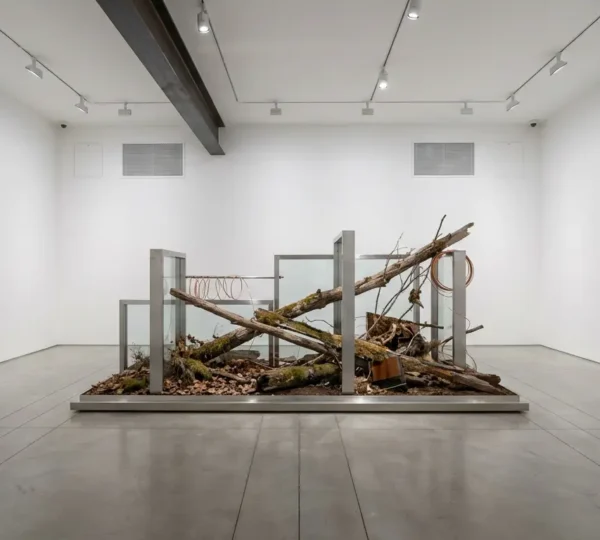
How to Insure a Mixed Media Installation Made of Perishable Materials?
Insuring perishable or unstable art is not about finding a magic policy; it’s about creating a ‘bureaucratic second skin’ of documentation that defines the artwork’s identity, acceptable decay, and re-fabrication rights, making it a manageable risk for insurers. Detailed instruction…
Read more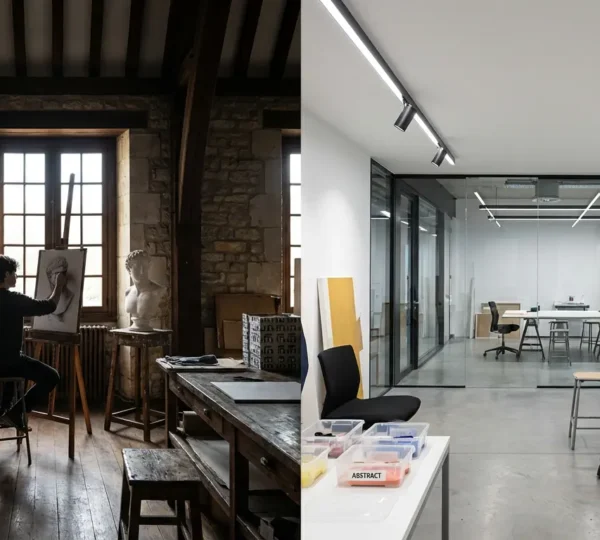
Atelier or University: How to Build the Right Education for a Career in Realist Painting
The most successful realist painters don’t choose between an atelier and a university; they strategically acquire the essential tools from both systems. Ateliers provide unparalleled technical fluency, teaching the ‘how’ of painting through systematic, disciplined practice. Universities foster the conceptual…
Read more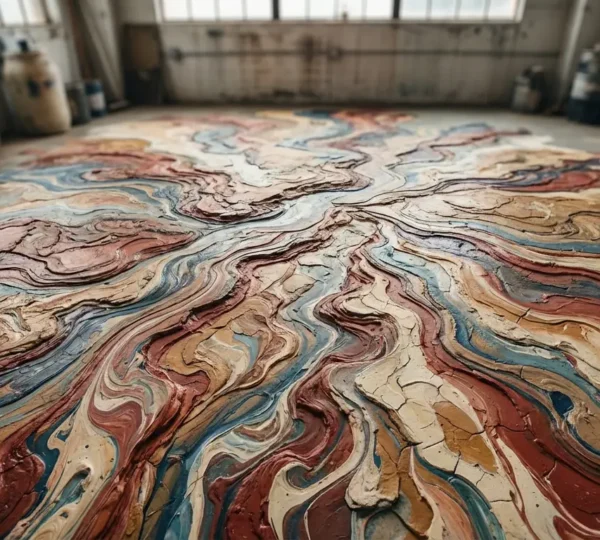
Why Pollock’s Drips Are Not Random: The Physics of Action Painting
Contrary to the popular belief that Action Painting is just chaotic paint-flinging, this article reveals the profound science behind the apparent randomness. We explore how artists like Jackson Pollock were masters of physics and biomechanics, using fluid dynamics, kinetic energy,…
Read more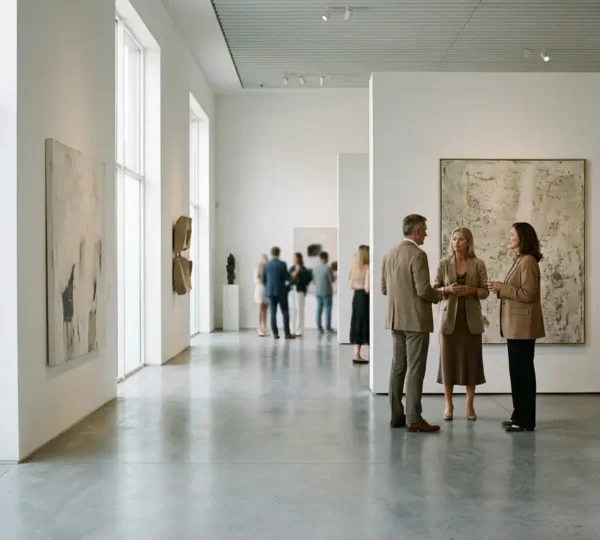
How to Spot the Next Blue-Chip Artist at a Graduate Degree Show?
Most collectors believe spotting new talent is about having a ‘good eye.’ The reality is, it’s about deploying a good system. The most reliable leading indicator is peer validation; the artists that other artists are watching are the ones with…
Read more
Why Creative Block Hits After a Major Success and How to Break It
Contrary to popular belief, the creative block you feel after a major success isn’t just burnout or fear. It’s a sign that your creative identity has outgrown your old processes. This article explains this psychological shift and provides a new…
Read more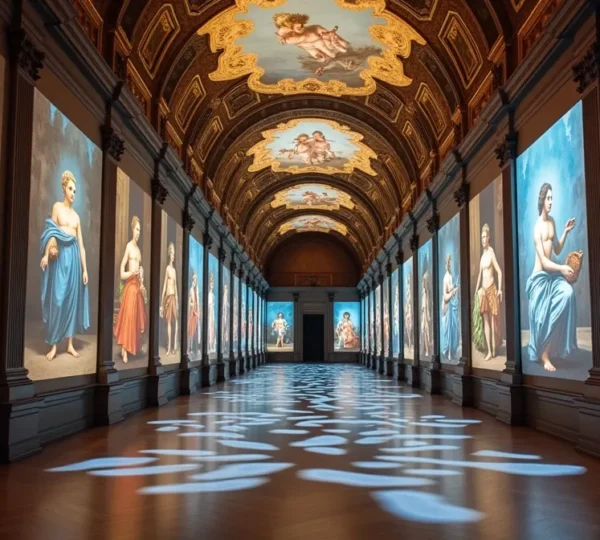
How to Curate a Dialogue Between Renaissance Art and Modern Digital Installations?
Creating a dialogue between old and new art is no longer just a curatorial choice; it’s a core strategy for institutional relevance and growth. Successful juxtaposition relies on conceptual “Narrative Resonance,” not just superficial aesthetic harmony. Engaging Gen Z requires…
Read more